


บริษัท เอ็น พี อาร์ เข็มเจาะ จำกัด
ผู้เชี่ยวชาญทางด้านเสาเข็มเจาะเล็กระบบแห้ง ประสบการณ์มากกว่า 30 ปี โดยมีวิศวกรและผู้ชำนาญการเฉพาะด้าน ทีมงานที่มีคุณภาพและประสบการณ์ทางด้านเสาเข็มเจาะโดยตรง
บริการรับทำเสาเข็มเจาะ
ยินดีให้บริการด้านเสาเข็มเจาะ ดูหน้างานพร้อมประเมินราคา ฟรี การันตีผลงาน ด้วยทีมงานประสบการณ์มากกว่า 30 ปี และมีวิศวกรผู้มีประสบการณ์งานเสาเข็มเจาะควบคุมงาน
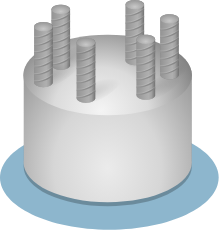
ขนาด 0.35 เมตร
Dia. 35 cm.
ขนาด 0.40 เมตร
Dia. 40 cm.
ขนาด 0.50 เมตร
Dia. 50 cm.
ขนาด 0.60 เมตร
Dia. 60 cm.
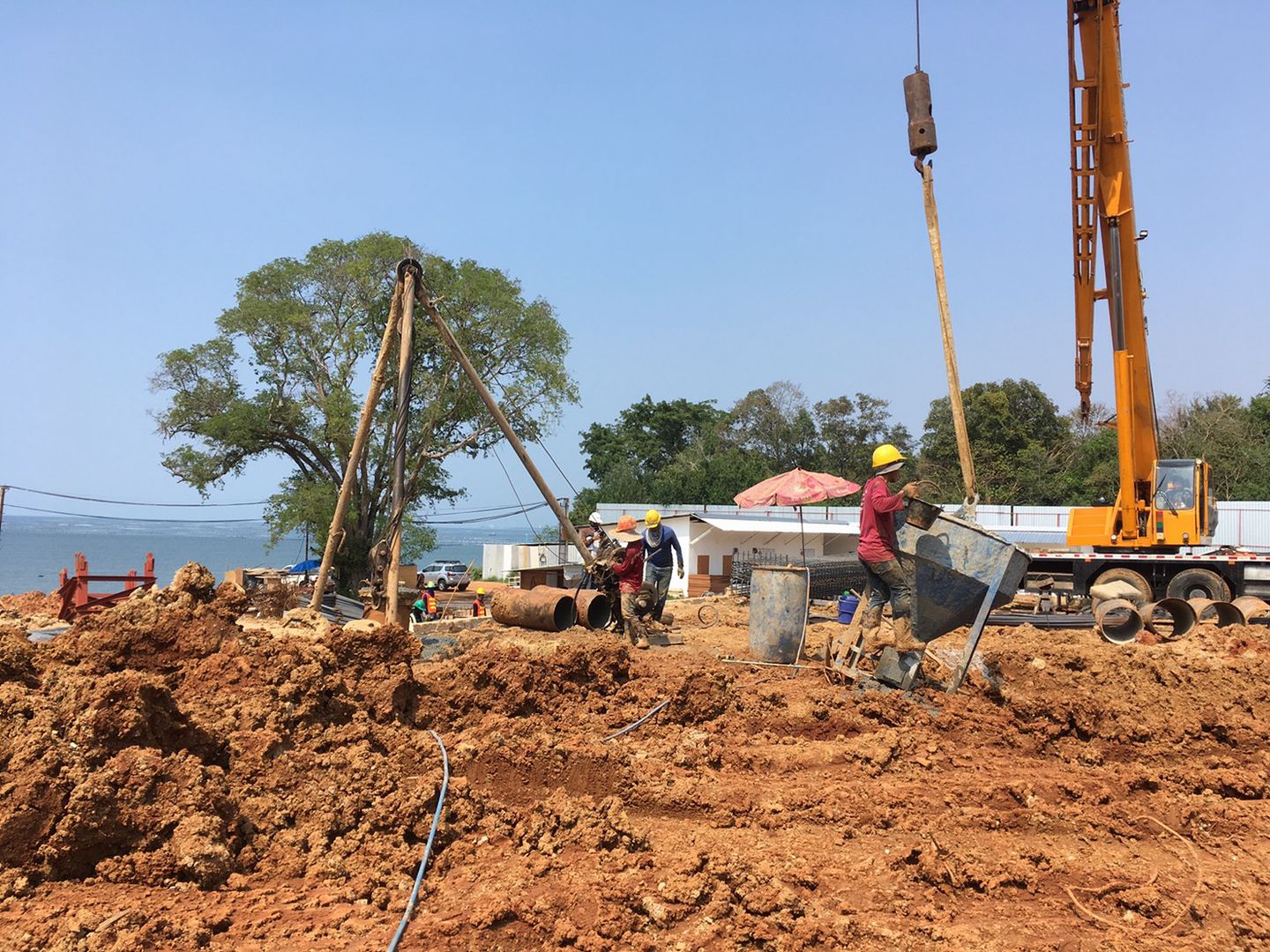
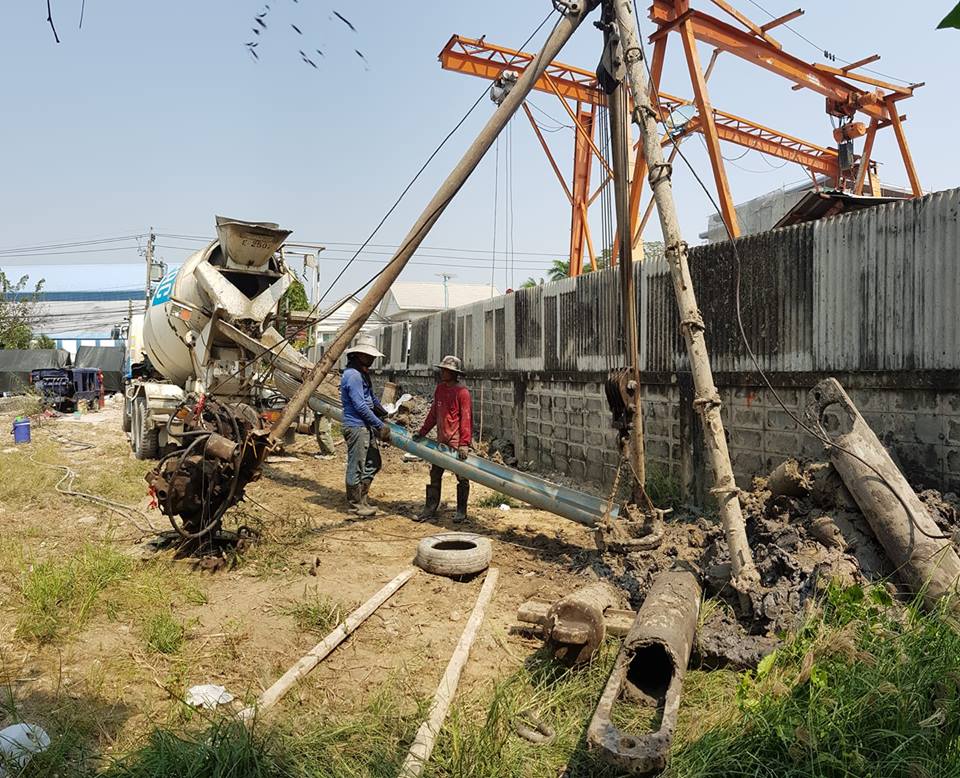
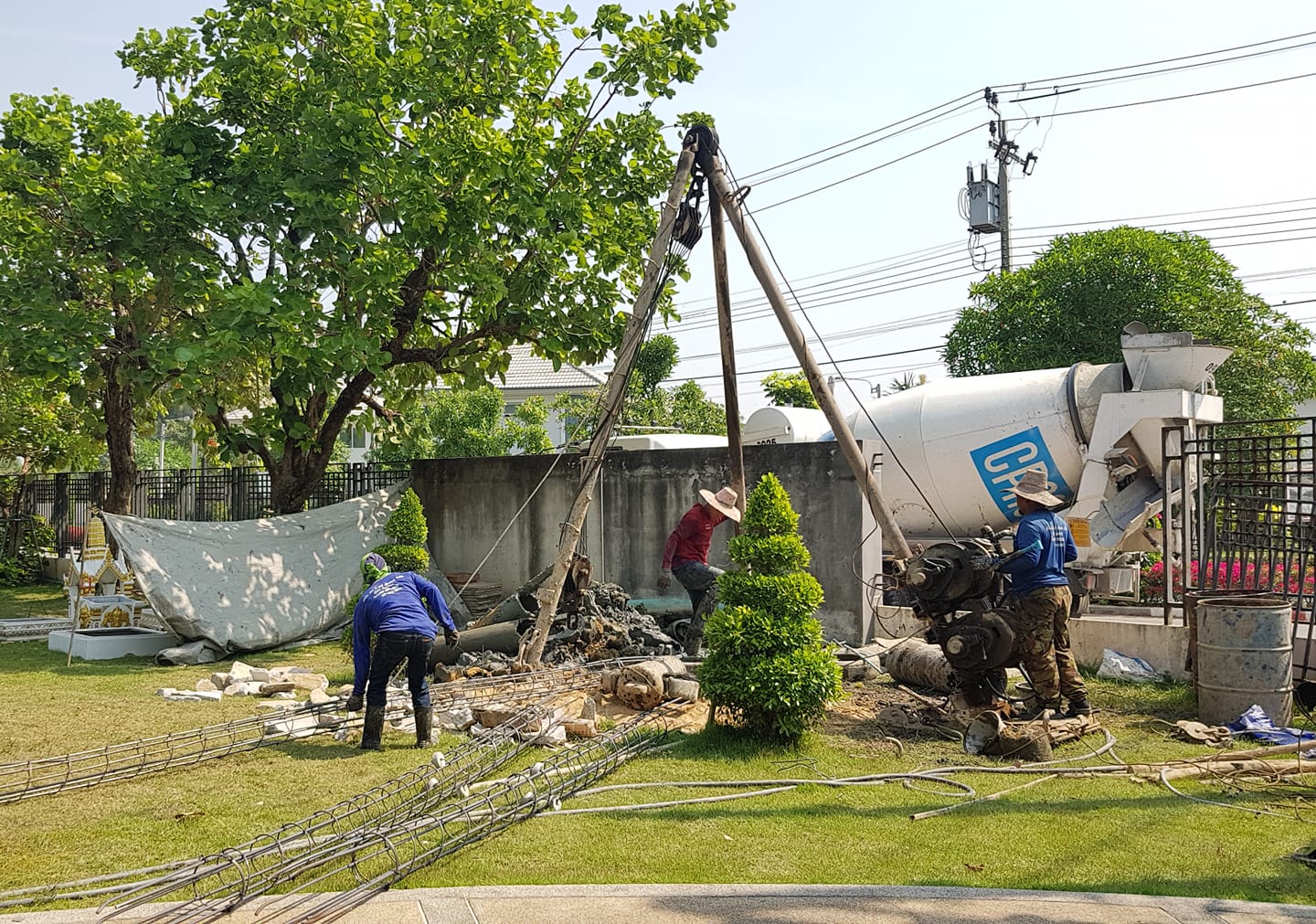
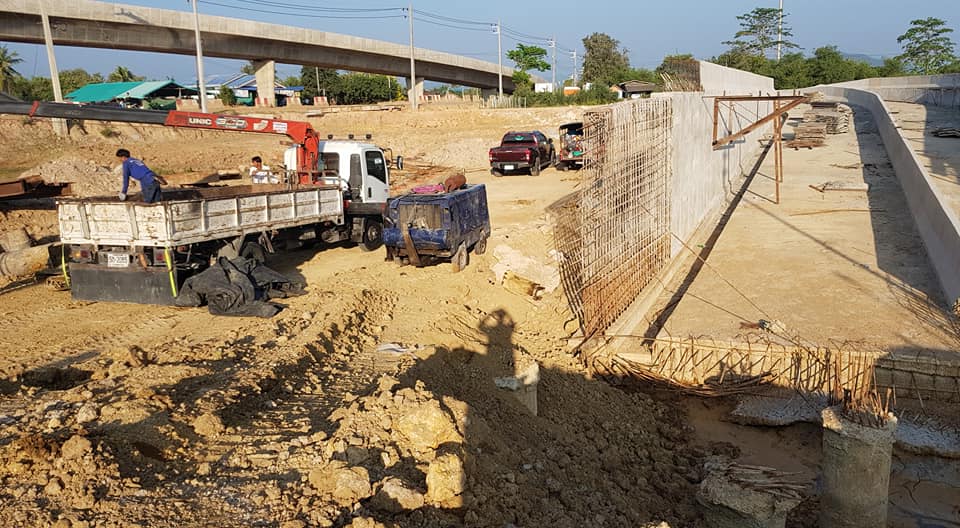
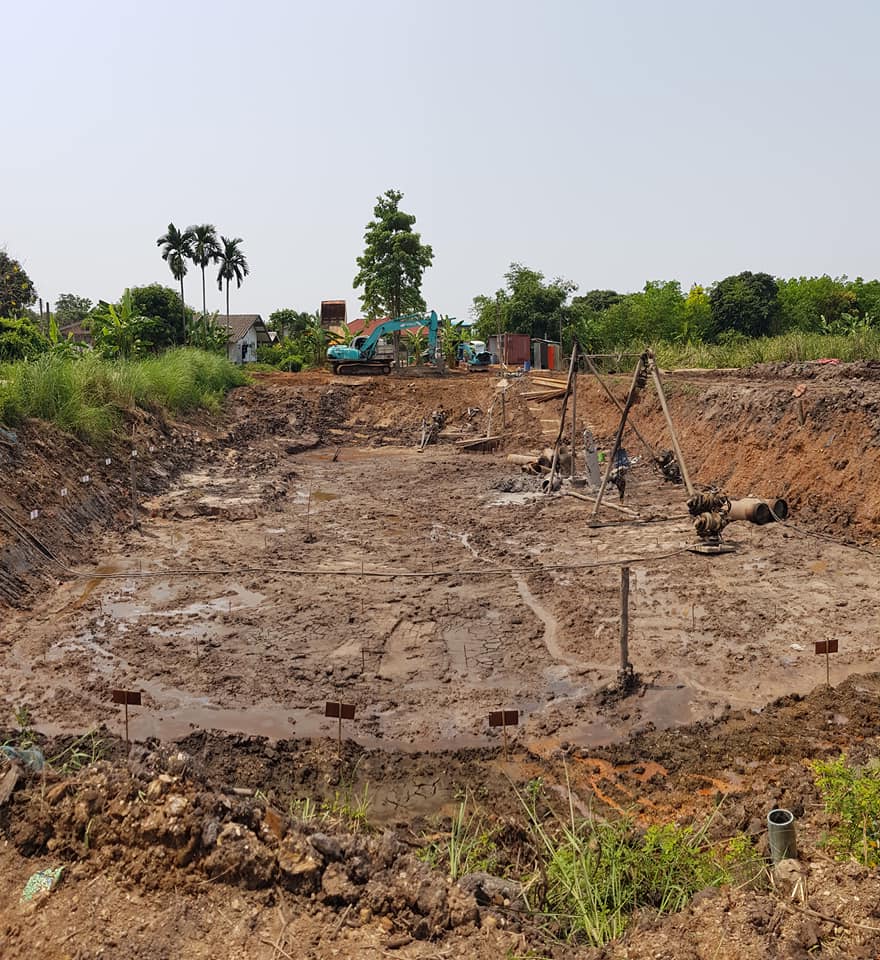
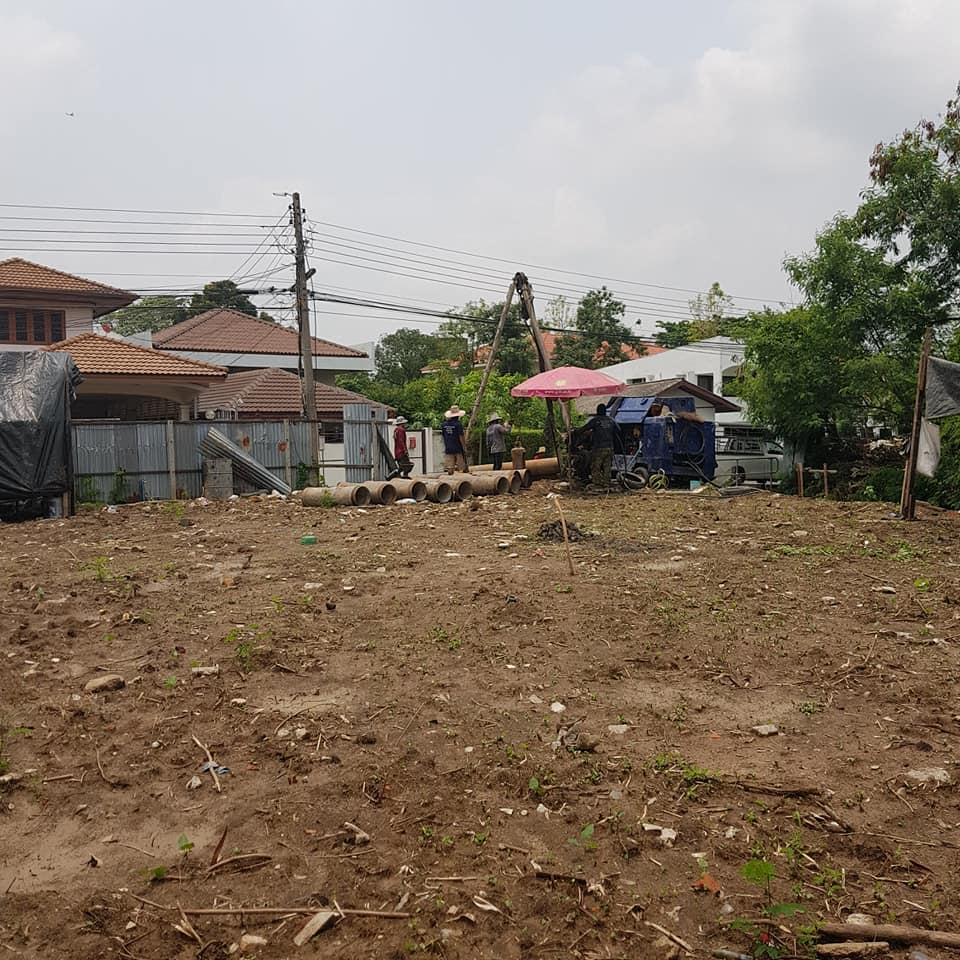
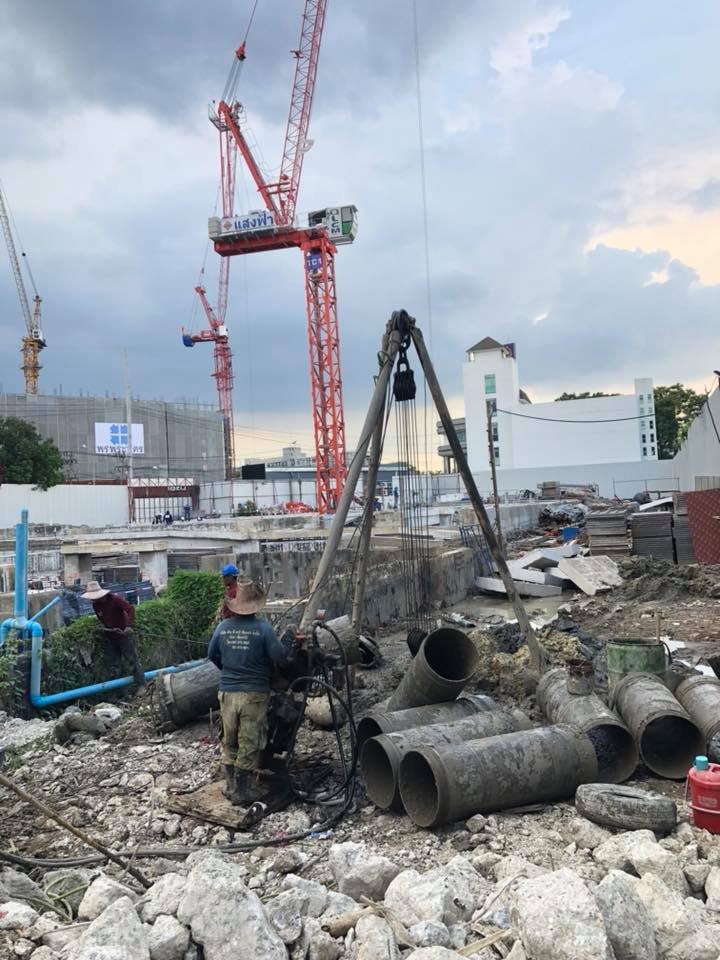
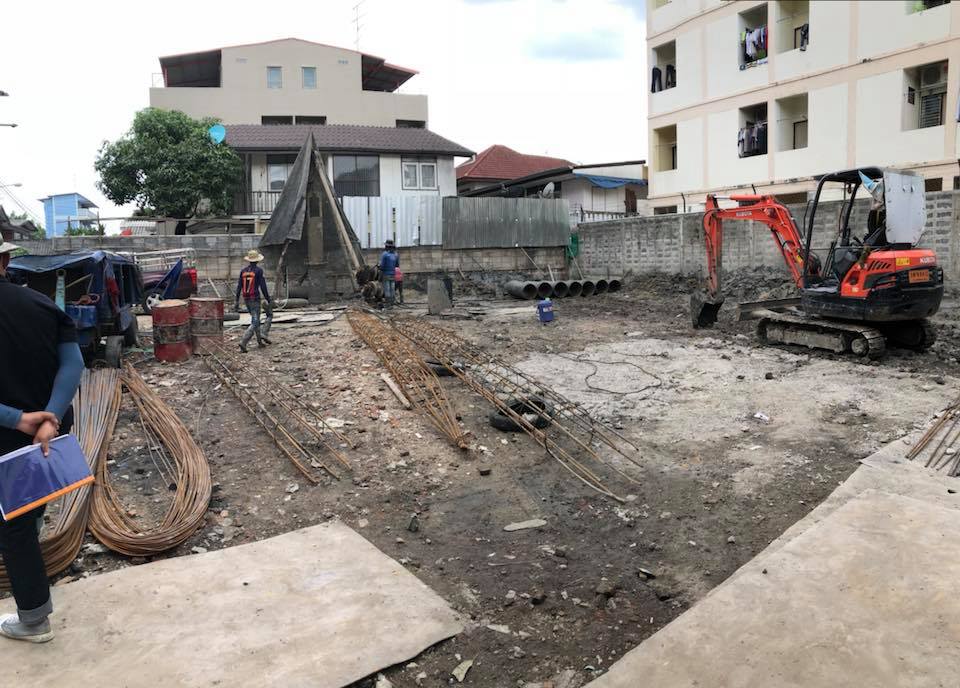
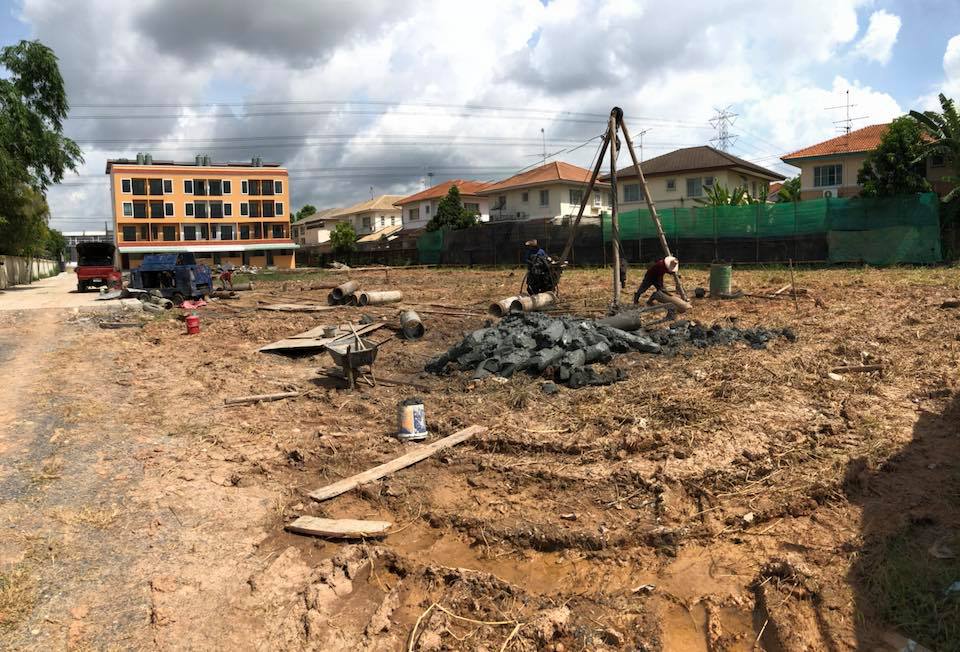
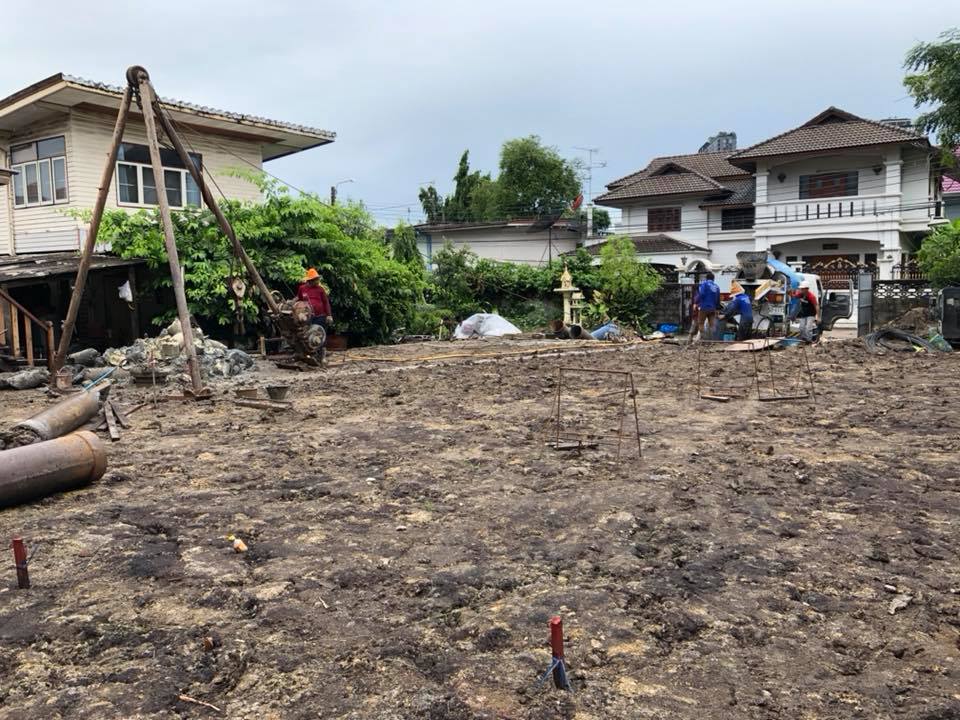
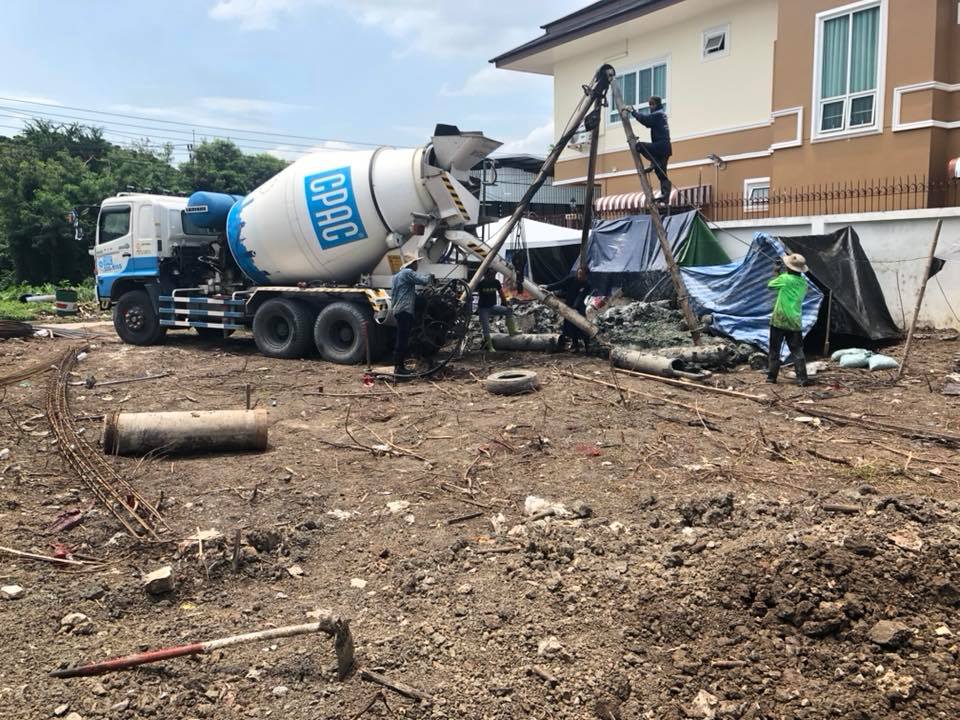
ผลงานของเรา

สนใจบริการรับทำเสาเข็มเจาะ
เรายินดีให้บริการด้านเสาเข็มเจาะ ดูหน้างานพร้อมประเมินราคา ฟรี
เพื่ออำนวยความสะดวกแก่ลูกค้าทุกท่าน สามารถขอใบเสนอราคา ได้ที่นี่
Clear examples do more than decorate an explanation: they show how an idea behaves under recognizable conditions. In education and software documentation alike, strong illustrations begin with a defined goal, then reveal the steps, assumptions, and result without unnecessary detail. A practical test example should state the input, expected output, and boundary condition, because these elements show whether a rule works beyond the simplest case. Including a contrasting case also helps readers distinguish a valid application from a tempting but incorrect one, while concise notes explain why the outcomes differ. When examples are updated with current data and checked against the underlying rule, they remain useful across classrooms, product guides, and professional training.